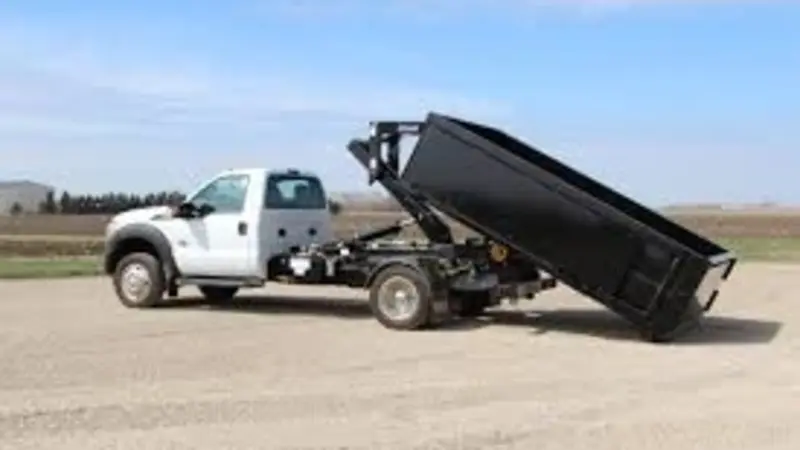
Adding a new vehicle to a commercial fleet is a major investment, and choosing the right equipment can have a direct impact on efficiency and operating costs. For businesses involved in waste management, construction, or transport logistics, purchasing a hook truck requires careful consideration beyond initial price. Understanding performance needs, operational demands, and long-term value helps ensure the vehicle delivers reliable results.
Understanding How Hook Trucks Are Used
Hook trucks load, transport, and unload heavy containers with minimal manual effort. Businesses widely use these trucks for skip bins, waste containers, scrap materials, and construction equipment. Before purchasing a hook truck, businesses should evaluate how often they will use it and what types of loads it must handle. Daily usage patterns, route distances, and operating environments all influence the ideal specifications.
Matching Capacity to Business Requirements
One of the most critical factors is lifting capacity. Hook trucks come in various configurations, each suited to different container sizes and weight limits. Choosing a truck with insufficient capacity can limit operations, while oversizing may increase fuel consumption and maintenance costs unnecessarily. Evaluating current and future workload helps strike the right balance.
New vs Used Hook Trucks
Buyers must also decide between purchasing new or used equipment. New trucks offer the latest technology, warranties, and reduced maintenance in the early years. Used trucks, when sourced carefully, can provide excellent value at a lower upfront cost. When considering used options, reviewing service history, hydraulic condition, and structural wear is essential.
Engine Performance and Fuel Efficiency
Fuel costs are a significant ongoing expense for fleet vehicles. Engine size, emissions standards, and drivetrain efficiency all affect operating costs. Modern hook trucks often feature improved fuel efficiency and lower emissions, which can benefit both budgets and compliance requirements. Selecting an engine suited to load demands and route conditions improves long-term performance.
Maintenance and Service Support
Reliable maintenance support is just as important as the vehicle itself. Access to spare parts, trained technicians, and responsive service providers helps minimize downtime. Understanding servicing intervals and expected maintenance costs allows for more accurate budgeting. Choosing a truck from a well-supported manufacturer adds long-term peace of mind.
Compliance and Safety Features
Commercial vehicles must meet local transport and safety regulations. Load restraint systems, braking performance, and hydraulic safety controls should all comply with industry standards. Safety features protect drivers, reduce liability risks, and support smooth daily operations. Ensuring compliance from the outset avoids costly modifications later. See Also: world ws mag
Making a Smart Investment
Buying a hook truck is a strategic decision that influences productivity and operating efficiency for years to come. By assessing usage needs, capacity, fuel efficiency, and service support, fleet operators can make informed choices that support growth and reliability. A well-selected truck becomes an asset that strengthens fleet performance and business outcomes.